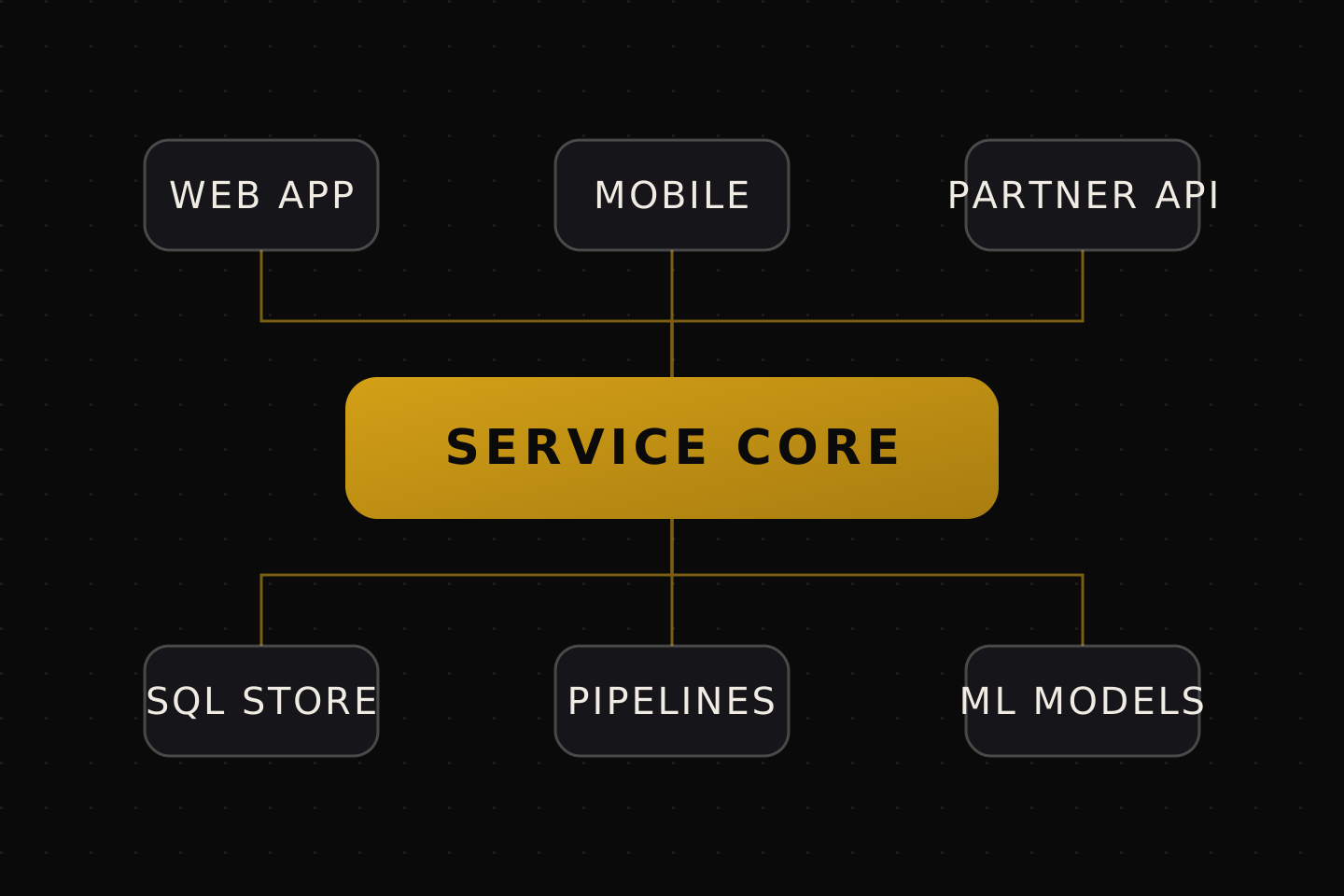
System diagram
Components, boundaries, and how data moves between interface, services, and storage.
Capability 01
Agree the users, data, services, and integrations before implementation begins, then own that design through to a system running in production.
What this covers
Useful when a system serves more than one audience, holds data other processes depend on, or integrates with services nobody controls. You get a design that says where each responsibility sits, so the build has a shape to follow and can be extended later.
Typical deliverables
Deliverables are scoped to the size of the system and who has to maintain it.
Components, boundaries, and how data moves between interface, services, and storage.
Entities, relationships, and which record each part of the system treats as authoritative.
Endpoints, request and response shapes, authentication, and error handling.
Third-party services, what each is trusted for, and the fallback when one fails.
How the system is configured, released, and split between development and production.
The options, the choice, and the constraint behind it, written down for whoever inherits it.
Workflow
The sequence keeps design ahead of implementation without stalling delivery.
Establish the users, the decisions the system supports, and the real constraints.
Define the data, the boundaries between services, and the contracts between them.
Build the riskiest slice first so the design is tested before the rest depends on it.
Document the decisions and the operating runbook so the design survives the handover.
Relevant evidence
Claims on this page are grounded in delivered client work and public repositories.
Collaboration on an e-commerce platform spanning catalogue, accounts, cart, checkout, payment integration, and both delivery and pickup fulfilment.
Visit the platformDesigning pipelines, SQL databases, and reporting workflows that several SME client contexts depend on across fintech, agribusiness, and logistics.
Documenting standard operating procedures for system-access protocols, and structuring official records so reporting could be trusted.
Describe the users, the data involved, and the systems it has to work with.